How Do I Stop Drinking Alcohol? 7 Tips To Cut Back or Quit

After all, you’re trying to stop or lessen drinking, not continue. However, using this method can help you avoid severe alcohol withdrawal symptoms and decrease the risk of a relapse. The safest way to stop drinking is with a structured plan that includes medical supervision, a support system, and coping strategies for withdrawal symptoms.
- However, to become truly free you need more than some tips – you need a method that is beautifully simple to unlock the tips and escape the addiction.
- If a person is a low-risk or moderate drinker, they can implement some of the following strategies to cut back on their own.
- Turner notes the importance of bringing along a trusted support person when attending events that involve alcohol.
- Or maybe you’re just looking to improve your health, wake up hangover-free and give your liver (and your heart and brain) a break.
- Think of a setback as just a bump in the road to recovery.
Insomnia: What to Do When You Can’t Sleep

Sunnyside Med offers access to compounded naltrexone (50mg + B6 5mg), paired with behavioral best way to stop drinking tools to help you reduce your drinking over time. The first thing to understand is that sobriety isn’t just about quitting. It’s about rediscovering who you are, rebuilding what matters and reclaiming your peace. These steps are here to support you, wherever you are on your journey.
Are there supplements to help you stop drinking alcohol?
Benefits include peer support, relapse prevention strategies, and long-term motivation through regular meetings or check-ins. Faith-based groups like Celebrate Recovery provide spiritual encouragement. Engaging with a support group fosters connection, motivation, and commitment to lasting sobriety. As early as one week after stopping alcohol, you will likely begin to see benefits. The physical symptoms of withdrawal will be past their alcoholism worst for most people, and the benefits of quitting alcohol will start to be noticeable. With tapering, you start slowly to minimize the chances of severe withdrawal and relapse, avoiding the shock quitting cold turkey can cause.
Week Four Benefits
Alcohol addiction treatment usually begins with detox, followed by therapy, relapse prevention, and aftercare planning. Customized programs and experienced staff help make the process as comfortable and effective as possible. While some people can stop drinking on their own, many find lasting sobriety through professional support, including therapy, educational resources, and peer recovery communities.
- Are you rethinking your relationship with alcohol these days?
- “Once you have a sense of how much you’re drinking, it’s helpful to track how many drinks you’re having per day,” says Witkiewitz.
- The goal is to change the thought processes that lead to alcohol misuse and to develop the skills necessary to cope with everyday situations that might trigger alcohol misuse.
How to cut back on drinking: 6 practical strategies for a healthier life
When asked how alcohol problems are treated, people commonly think of 12-step programs or 28-day inpatient treatment centers but may have difficulty naming other options. In fact, there are many treatment options available thanks to significant advances in medical and behavioral research over the past decades. AUD is characterized by an impaired ability to stop or control alcohol use despite adverse social, occupational, or health consequences. Health care providers diagnose AUD when a person has two or more of the symptoms listed below.
- Over time, alcohol’s toll on your body can be hard to reverse.
- If you have been a heavy drinker for a long time, you may need a more intensive program.
- Mindfulness-based skill-building strategies promote flexible, rather than autopilot, responses to triggers that can prompt drinking.
- If you answer “yes” to four to five questions, your symptoms align with moderate AUD.
Assess your current habits
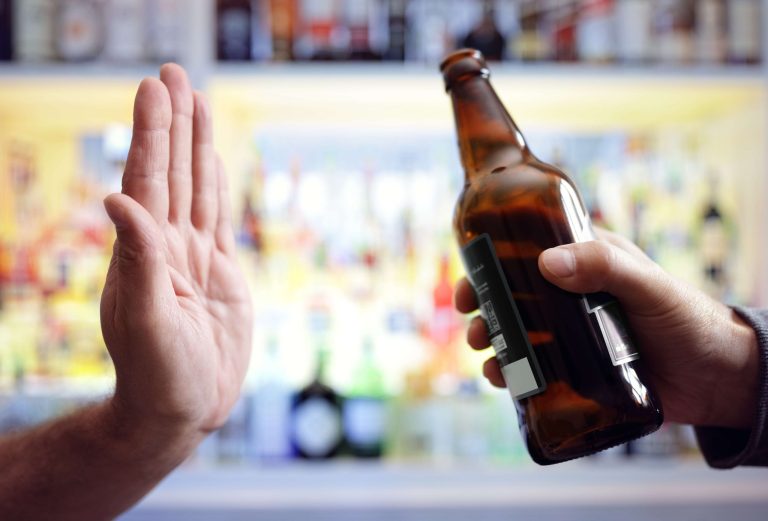
Without proper treatment, your symptoms may advance to the point that the effects are irreversible. Methods like these can help you quit alcohol in a safer, more-timely manner. To prevent symptoms of alcohol withdrawal from worsening, people need to stay in a controlled and calm environment.
Health Conditions
Spending time with people who understand what you are experiencing can be healing. You can also learn from what others have done to achieve sobriety to guide your journey. Severe symptoms may require benzodiazepines to prevent serious consequences of alcohol withdrawal. People can also use a drinking diary to examine their reasons for abstaining on certain days and the effectiveness of their strategies to avoid drinking. Replacing alcohol with healthy activities that do not encourage drinking can be a healthy alternative.
The more supportive people you can involve in your quest to quit alcohol the better. Encouragement from family, friends, and others you trust can be an invaluable source of strength as you make this change in your life. Very often the people in your life — friends, family, co-workers — are affected by your drinking in ways you might not even realize. They may be worried or afraid for your health and safety, or they may fear your drinking puts their safety at risk. There are of course many factors that influence weight loss, but by quitting drinking you may find it easier to lose weight.

Sudden alcohol cessation can cause dangerous physical and psychological effects, especially in heavy drinkers. Medical supervision ensures a safer withdrawal process by monitoring symptoms, prescribing medications, and providing emotional support. While some individuals attempt detoxification from alcohol at home, it is important to understand the potential risks and seek medical guidance when necessary. Doctors may recommend inpatient detox, therapy, or medication-assisted treatment (MAT) to manage discomfort and reduce health risks. Seeking professional help increases the chances of a successful, structured recovery.